$232K fix & flip in Wilmington, DE — 80% LTC, 12-day close
Illustrative case study modelled on typical files for this program; figures are examples, not a funded loan.
- Purchase
- $210,000
- Renovation budget
- $80,000
- After-repair value
- $385,000
- Loan
- $232,000
- Loan-to-cost
- 80%
- Rate
- 9.50%
- Points
- 2
- Term
- 12 months, interest-only
- Days to close
- 12
- Units
- Single-family
- Exit
- Sale
Situation
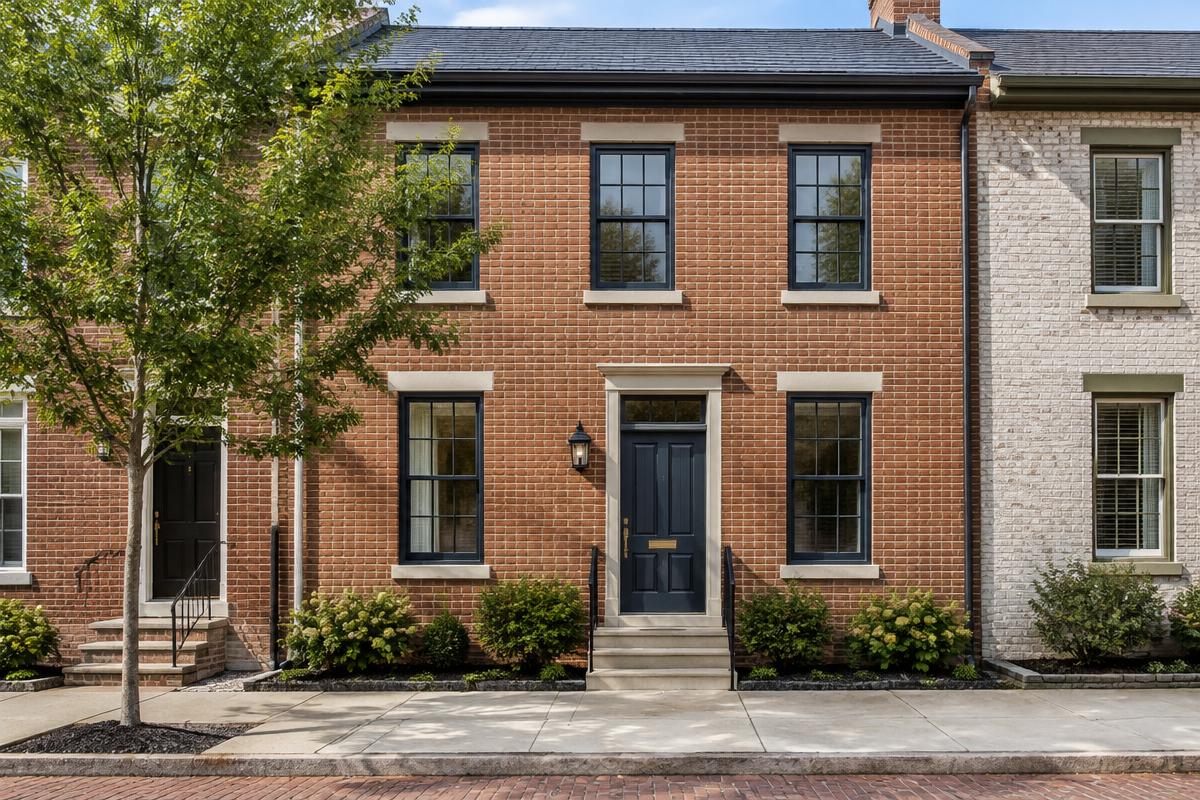
A first-time investor with professional income and no completed projects wanted to renovate a brick rowhouse in a Wilmington neighbourhood with active resale. Experience was the only open question.
Structure
The borrower hired a licensed general contractor with dozens of completed renovations nearby, and the GC’s projects counted as the borrower’s experience. As a Tier 1 file the loan priced a step below the maximum — 80% of the $290,000 cost at 9.50% with two points — and closed in 12 days.
In numbers: a $232,000 loan against $290,000 of total cost left $58,000 of borrower equity in the deal. The value test — 75% of the $385,000 after-repair value ($288,750) — sat above the loan, so cost, not value, set the size. Fully drawn, interest-only carry at 9.50% works out to about $1,837 a month, and 2 points of origination came to $4,640 at closing.
Draws
The GC’s itemised bid became the draw schedule: systems, kitchen and baths, finishes, each released on photos and invoices.
The file
What was in the file: the purchase contract, the itemised scope of work and renovation budget, the after-repair value estimate with comparable sales, the GC agreement with license and insurance, two months of bank statements showing the cash to close and six months of reserves, and the LLC documents and ID. Because the borrower had no completed projects of their own, the GC’s license, insurance and list of completed projects carried the experience review. The appraisal valued the house as renovated against recent comparable sales nearby. Every checklist item came back inside 48 hours, which kept the close at the fast end of the range. Title was opened on the day of application and insurance was bound before the appraisal came back. The term sheet set the final leverage and pricing against the published maximums.
Exit
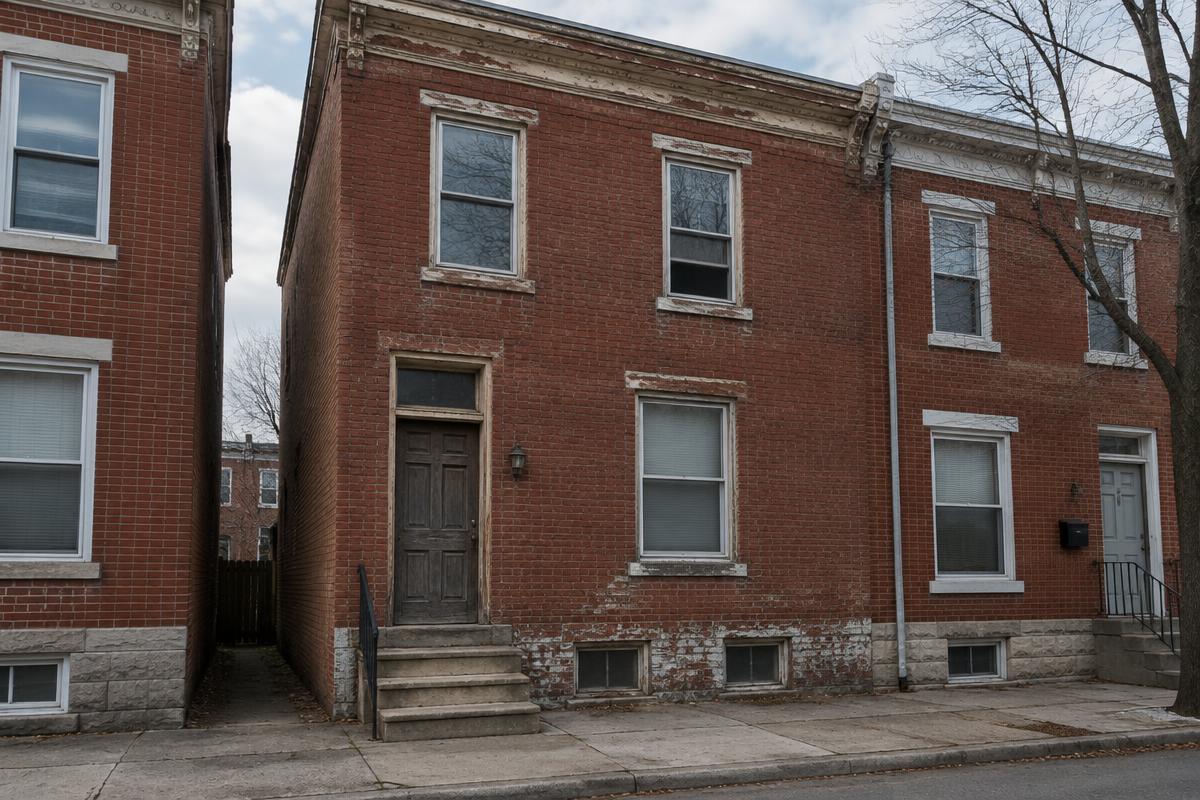
The house sold after a short renovation. The completed project now counts toward the investor’s own record, moving the next file toward Tier 2.
- Qualified on the GC’s completed projects
- Conservative first-project leverage
- Itemised GC bid doubled as draw schedule
- Clear resale exit